Что такое пожарные резервуары?
2026-07-10

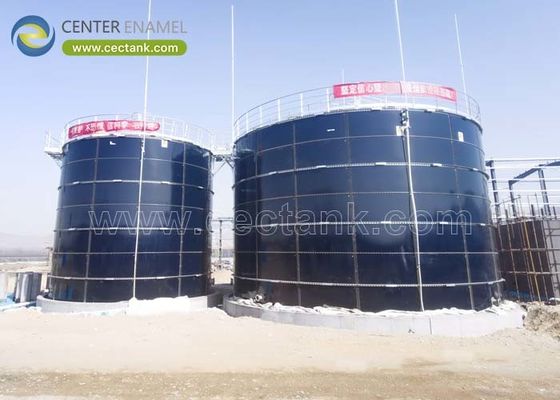
Арезервуар для пожарной водыпредставляет собой специальный, тщательно спроектированный резервуар, предназначенный для хранения надежного и большого объема воды исключительно для систем пожаротушения, таких как спринклерные решетки, пожарные гидранты и устройства дозирования пены.
В отличие от резервуаров для воды общего назначения, резервуары для пожарной воды регулируются строгими нормами безопасности жизнедеятельности, в первую очередьНФПА 22(Стандарт на резервуары для воды для частной противопожарной защиты),АВВА D103и различные стандарты FM Global. Их основная цель — обеспечить независимый и надежный источник воды, когда муниципальная система водоснабжения неадекватна, ненадежна или отключена от сети.
В случае пожара в муниципальных водопроводах может произойти падение давления или полный отказ из-за пикового спроса или повреждения инфраструктуры. Специальный резервуар для пожарной воды, установленный на объекте, гарантирует, что ваш объект никогда не останется незащищенным.
Системы пожаротушения требуют больших объемов воды под высоким давлением в течение длительного времени. Емкости для пожарной воды подбираются в зависимости от площади объекта.классификация опасностиобеспечить наличие на объекте достаточного количества воды для тушения пожара до тех пор, пока чрезвычайная ситуация не будет полностью локализована.
Промышленные объекты, логистические парки и химические заводы часто работают в районах, где муниципальная система водоснабжения не может поддерживать высокоскоростной поток под высоким давлением, необходимый для современных систем пожаротушения. Частное водохранилище устраняет зависимость от внешней инфраструктуры.
Большинство страховых полисов и местных пожарных норм требуют наличия специального хранилища противопожарной воды для активов с высоким уровнем риска. Неспособность обеспечить соответствующую требованиям, контролируемую и полностью работоспособную систему противопожарного водоснабжения может привести к серьезным штрафам, более высоким страховым взносам или остановке работы объекта.
Для инженеров и менеджеров по закупкам выбор материала определяет долгосрочные затраты на техническое обслуживание и надежность.
| Материал | Долговечность | Коррозионная стойкость | Необходимость технического обслуживания | Идеально подходит для |
|---|---|---|---|---|
| Стекло, сплавленное со сталью (GFS) | Отличный | Улучшенный (Инертный) | Очень низкий | Долгосрочный, промышленный, биогаз |
| Сварная сталь | Высокий | Умеренный | Высокий (нужно покрасить) | Массивные сборки для конкретного сайта |
| Железобетон | Очень высокий | Отличный | Умеренный (устранение трещин) | Подземный/погруженный |
| Сталь с эпоксидным покрытием | Высокий | Высокий | Низкий | Экономически эффективные промышленные проекты |
Профессиональный пожарный резервуар для воды – это больше, чем просто оболочка. Чтобы соответствовать международным стандартам безопасности, эти системы включают в себя несколько важных компонентов:
-
Антивихревые сборки:Они предотвращают образование «водоворотов» (вихрей) в точке всасывания при работе насосов. Без этого в насос будет затянут воздух, что приведет к кавитации и механическому повреждению.
-
Выделенный резервный объем:Если резервуар служит «двойному назначению» (хранит как пожарную, так и техническую воду), выпуск технической воды располагается на возвышении, что обеспечивает подачу определенного объема воды.постоянно зарезервированвнизу для пожаротушения.
-
Мониторинг уровня:Внешние индикаторы уровня жидкости и электронная сигнализация необходимы для подачи сигнала на центральную пожарную панель объекта, если уровень воды упадет ниже порогового значения.
-
Защита от замерзания:В более холодном климате резервуары должны иметь соответствующие погружные нагреватели, циркуляционные контуры и высокоэффективную изоляцию, чтобы вода оставалась жидкой и пригодной для перекачивания круглый год.
А:Муниципальные сети колеблются по давлению и объему. Во время большого пожара местный спрос часто превышает возможности города. Кроме того, если водопровод прорвется, ваша система пожаротушения станет бесполезной. Специальный резервуар гарантирует снабжение независимо от состояния внешней инфраструктуры.
А:Приподнятые резервуары используют силу тяжести для немедленного создания давления в спринклерных системах. Резервуары на уровне земли обычно представляют собой более крупные резервуары, которые питают мощные пожарные насосы, обеспечивая основную часть объема воды на случай длительных пожаров.
А:Такие стандарты, как NFPA 25, требуют регулярного контроля. Обычно визуальные проверки уровня воды и внешнего состояния проводятся ежемесячно, а внутренние проверки (для проверки на наличие отложений или разрушения покрытия) обычно требуются каждые пять лет.
А:Да, это называются танки "двойного назначения". Однако они должны быть спроектированы с отдельными трубопроводами и обеспечивать постоянное наличие резерва пожаротушения внизу, к которому нельзя получить доступ для других промышленных или бытовых целей.
ВЦентр Эмаль, мы специализируемся на модульных высокопроизводительных решениях для хранения данных, разработанных в соответствии с NFPA 22 и другими строгими глобальными нормами безопасности. Имея более чем 30-летний опыт производства, мы обеспечиваем комплексную поддержку — от первоначальной оценки объекта и анализа нагрузки до технического предложения и шеф-монтажа.
Готовы обеспечить стратегию противопожарной защиты вашего объекта?Свяжитесь с нашей командой инженеров сегодня для получения технической консультации или предложения для конкретного объекта.
-
2026-08-31
-
2026-08-19
-
2026-07-10