-
Стекло, расплавленное в стальные резервуары (596)
-
танки нержавеющей стали (434)
-
Сплавливание скрепило танки эпоксидной смолы (592)
-
Станки из оцинкованной стали (321)
-
Алюминиевые крыши купола (1316)
-
Резервуары для хранения сточных вод (231)
-
сварные стальные резервуары (457)
-
Сосуды под давлением (295)
-
Анаэробный дигестор (201)
-
Промышленные цистерны с водой (349)
-
Стеклянные стальные резервуары (180)
-
Скрепленные болтами стальные танки (390)
-
Бак для хранения шуги (115)
-
Бак для хранения лэндфилл-газа (173)
-
Складные баки для слива (133)
-
Резервуары для хранения сельскохозяйственной воды (179)
-
Резервуар с пожарной водой (166)
-
Силосы для хранения зерна (146)
-
Проекты биогаза (425)
-
Проекты обработки сточных вод (788)
-
Крыша с двойной мембраной (223)

|
Внешняя плавучая крыша для резервуара хранения топлива нефтеперерабатывающей фабрики: разработана для выполнения строгих стандартов контроля и безопасности паров, требуемых в профессиональных операциях по переработке
| Место происхождения: | Китай |
| Фирменное наименование: | Center Enamel |
| Сертификация: | ISO 9001 |
| Номер модели: | Алюминиевые купольные крыши |
| Количество мин заказа: | 1 |
| Цена: | 100-50000 |
| Упаковывая детали: | 2000 г. |
| Время доставки: | 8 недель |
| Условия оплаты: | Л/К, Т/Т |
| Поставка способности: | 6000 |
|
Подробная информация |
|||
Описание продукта
Внешняя плавучая крыша для резервуара хранения топлива нефтеперерабатывающей фабрики: разработана для выполнения строгих стандартов контроля и безопасности паров, требуемых в профессиональных операциях по переработке
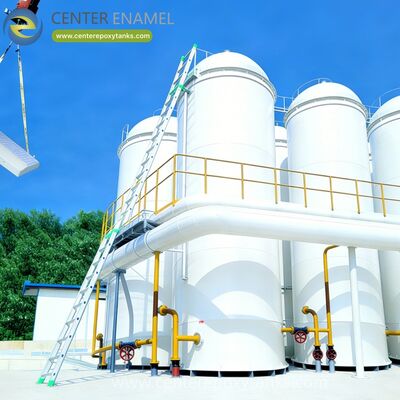
В пределах профессионального нефтеперерабатывающего завода резервуары для хранения нефти являются критически важными ресурсами, которые должны обрабатывать очень летучие промежуточные и готовые виды топлива.Для обработки этих жидкостей требуется больше, чем просто контейнер; это требует системыпредназначенные для выполнения строгих стандартов контроля и безопасности пара, требуемых в профессиональных операциях по переработке.Внешняя плавучая крышадля сварных резервуаров для хранения топлива в нефтеперерабатывающих заводах из нержавеющей сталиОпираясь непосредственно на поверхность жидкости, эта система устраняет опасное пространство паров, где в противном случае могут накапливаться взрывчатые газы.При интеграции ссварная нержавеющая стальраковина иАлюминиевая крыша купола, обеспечивает многоуровневую защиту, которая обеспечивает как безопасность эксплуатации, так и соблюдение экологических требований.
Точное подавление пара в летучей среде
Рафинерии перерабатывают широкий спектр топлива, многие из которых имеют высокое давление пара.головное пространство насыщается легковоспламеняющимися парами углеводородов, которые выделяются во время заполнения или теплового расширения.Внутренняя плавучая крыша устраняет этот риск, устраняя интерфейс воздух-жидкость.
Эффективность этого парового барьера значительно повышается за счет использованиясварная нержавеющая стальВ отличие от углеродной стали, которая подвержена внутренним отверстиям и коррозии от серных соединений, нержавеющая сталь поддерживает гладкую, нетронутую внутреннюю стенку.Это позволяет плавучей крыши ≈ периметр уплотнений для поддержания постояннойЭто точность позволяет системе соответствовать требованиямстрогие стандарты управления парамиПромышленность нефтеперерабатывающей промышленности, обеспечивающая снижение выбросов летучих органических соединений у источника и минимизацию потерь продукции.
Усовершенствованное ограждение с алюминиевыми купольными крышами
В условиях нефтеперерабатывающего завода внутренняя плавучая крыша должна быть защищена от внешних воздействий окружающей среды для поддержания ее механической целостности.Алюминиевая крыша куполаГеодезический купол обеспечивает прозрачное покрытие, защищающее внутреннюю плавучую крышу от ветрового дождя, снега,и промышленных загрязнителей, что в противном случае может повлиять на плавучесть крыши или повредить уплотнения.
Определяющее преимуществоАлюминиевая крыша куполаТрадиционные крыши требуют внутренних опорных колонн, которые должны проникать в плавучую крышу.создание множества потенциальных путей утечки паров и осложнение движения палубы. Используя безколонный алюминиевый купол, внутреннийсварная нержавеющая стальЭто позволяет плавучей крыше обеспечивать 100% эффективный барьер паров по всей поверхности.отражающие панели купола помогают поддерживать стабильную внутреннюю температуру, уменьшая тепловую энергию, которая приводит к давлению пара и помогает нефтеперерабатывающему заводу соблюдать строгие экологические требования.
Прочность и безопасность эксплуатации
Сочетаниесварная нержавеющая стальа алюминиевый купол предлагает решение с непревзойденной долговечностью и безопасностью.Сварные из нержавеющей сталиОн по своей сути устойчив к агрессивному химическому характеру многих потоков нефтеперерабатывающих заводов и не требует внутренней облицовки, которая может выйти из строя и загрязнить топливо.Алюминиевая крыша куполаестественно устойчив к атмосферной коррозии и не требует периодического пескоструения или переокраски.
Эта интегрированная система также повышает безопасность участка, действуя как естественная клетка Фарадея. Проводящий алюминиевый купол защищает бак от ударов молнии,В то время как плавучая крыша гарантирует, что никакие горючие облака паров не могут накапливатьсяПростота конструкции конструкции без колонн также облегчает более безопасные и эффективные инспекции.так как техники могут легко контролировать состояние уплотнений без навигации внутренних препятствийЭта надежность гарантирует, что нефтеперерабатывающие заводы смогут поддерживать высокий рабочий график при соблюдении высочайших уровней безопасности.
Области применения
Необходимость высокой целостности управления парами и устойчивости материалов делает эти системы необходимыми для:
Хранение нефти и бензина: Управление высоколеткими готовыми продуктами.
Промежуточные парки нефтеперерабатывающих предприятий: Защита химических прекурсоров от загрязнения и потери.
Хранение кислого топлива: Использованиесварная нержавеющая стальчтобы противостоять агрессивной химической атаке.
Прибрежные перерабатывающие комплексы: гдесварная нержавеющая стальиАлюминиевые крыши куполаобеспечивают наилучшую защиту от коррозии солено-воздушной.
Преимущество компании и всеобъемлющее обслуживание
Center Enamel признана во всем мире за предоставление высокопроизводительных промышленных помещений для энергетического сектора.Внешние плавучие крыши для сварных резервуаров для хранения топлива из нержавеющей стали для нефтеперерабатывающих заводовопределяется технической точностью и лидерством в области безопасности:
Инженерное производство для нефтеперерабатывающих предприятий: Мы разрабатываем системы плавучей крыши специально для работы с высоким давлением пара и требованиями безопасности профессиональной переработки.
Усовершенствованные материальные стандарты: Мы используем высококачественную алюминиевую сплав и точно сваренную нержавеющую сталь для обеспечения бесшовной и не коррозионной среды хранения.
Глобальная техническая поддержка: Мы предоставляем экспертное техническое наблюдение за установкой плавучих крыш, оболочек резервуаров иАлюминиевые крыши куполапо всему миру, обеспечивая абсолютную надежность для критически важной нефтеперерабатывающей инфраструктуры.
Заключение
В требовательном мире нефтепереработки качество инфраструктуры хранения является прямым фактором безопасности и ответственности за окружающую среду.Внешние плавучие крыши для сварных резервуаров для хранения топлива из нержавеющей стали для нефтеперерабатывающих заводовЭто обеспечивает наиболее эффективный барьер против потери продукта и опасных выбросов.предназначенные для безопасности и контроля пара, операторы защищают свои активы и окружающее сообщество.Алюминиевая крыша купола, они представляют собой решение мирового класса, которое сочетает в себе безопасность, долговечность и превосходство эксплуатации.