-
Стекло, расплавленное в стальные резервуары (596)
-
танки нержавеющей стали (434)
-
Сплавливание скрепило танки эпоксидной смолы (592)
-
Станки из оцинкованной стали (321)
-
Алюминиевые крыши купола (1316)
-
Резервуары для хранения сточных вод (231)
-
сварные стальные резервуары (457)
-
Сосуды под давлением (295)
-
Анаэробный дигестор (201)
-
Промышленные цистерны с водой (349)
-
Стеклянные стальные резервуары (180)
-
Скрепленные болтами стальные танки (390)
-
Бак для хранения шуги (115)
-
Бак для хранения лэндфилл-газа (173)
-
Складные баки для слива (133)
-
Резервуары для хранения сельскохозяйственной воды (179)
-
Резервуар с пожарной водой (166)
-
Силосы для хранения зерна (146)
-
Проекты биогаза (425)
-
Проекты обработки сточных вод (788)
-
Крыша с двойной мембраной (223)

|
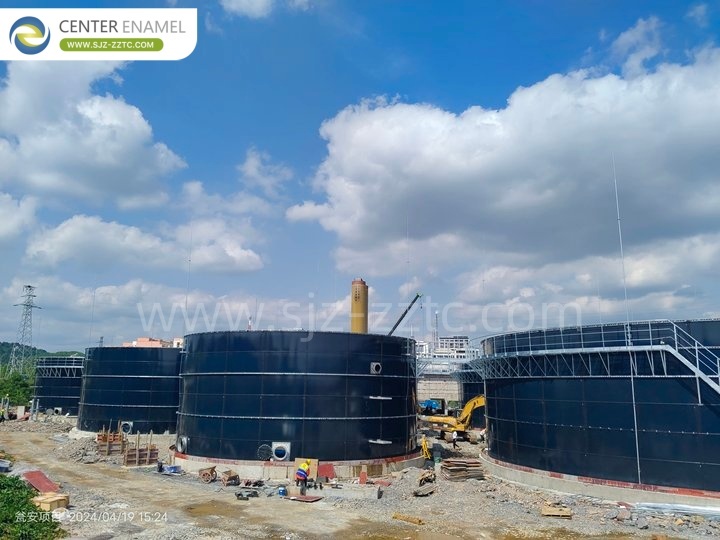
Преобразование отходов свиноводства: передовые решения для биогаза и резервуары GFS в Мьянме
| Место происхождения: | Китай |
| Фирменное наименование: | CEC TANKS |
| Сертификация: | ISO 9001:2008, AWWA D103 , OSHA , BSCI |
| Номер модели: | Вт |
| Количество мин заказа: | 1 КОМПЛЕКТ |
| Цена: | $5000~$20000 one set |
| Упаковывая детали: | Пенополиэтилен между двумя стальными пластинами; деревянный поддон и деревянные |
| Время доставки: | 10-30 дней после получения депозита |
| Условия оплаты: | Л/К, Т/Т |
| Поставка способности: | 60 комплектов в месяц |
|
Подробная информация |
|||
| Место происхождения | Китай | Фирменное наименование | CEC TANKS |
|---|---|---|---|
| Сертификация | ISO 9001:2008, AWWA D103 , OSHA , BSCI | Номер модели | Вт |
| Цвет корпуса бака: | Темно-зеленый/можно настроить | Коррозионная целостность: | Отличный |
| Толщина стальных пластин: | От 3 мм до 12 мм, зависит от конструкции резервуара | Химическая стойкость: | Отличный |
| Размер панели: | 2,4 м * 1,2 м | Легко чистить: | Гладкая, блестящая, инертная, антиадгезионная |
| Выделить: | Биогазовые растворы от отходов свиней,ГФС-танки для сточных вод,очистка сточных вод биогазом Мьянма |
||
Описание продукта
Преобразование отходов свиноводства:ПередовойБиогазовые решенияиТанки GFS в Мьянма
Поскольку сельскохозяйственный сектор Мьянмы претерпевает быструю трансформацию, животноводство, особенно свиноводство, стало краеугольным камнем национальной экономики и продовольственной безопасности. Чтобы сбалансировать этот рост с экологической ответственностью, интеграция передовыхБиогазовые решения,Процесс CSTR, иРезервуары из сплава стекла и стали (GFS)стала жизненно важной стратегией для фермеров по всей стране.
Ситуация в свиноводческом секторе Мьянмы
Свиноводство в Мьянме переходит от традиционного мелкого приусадебного хозяйства к модернизированному крупномасштабному коммерческому производству. Этот сдвиг обусловлен увеличением внутреннего спроса на белок и национальным стремлением к самообеспеченности сельского хозяйства. Современные откормочные площадки все чаще появляются в ключевых сельскохозяйственных регионах, поддерживая местные цепочки поставок и средства к существованию в сельской местности. Однако эта индустриализация генерирует огромные объемы «высокопрочных» органических отходов, которые превышают возможности традиционных методов утилизации.
Экологические опасности прямых выбросов свиного навоза
В тропическом и муссонном климате Мьянмы, характеризующемся обильными сезонными дождями, неправильная утилизация свиного навоза представляет собой серьезный экологический риск:
Загрязнение воды: Прямые сбросы приводят к вымыванию нитратов, фосфора и болезнетворных микроорганизмов в критически важные водоемы, такие как бассейн реки Иравади, что ставит под угрозу воду, используемую для питья и орошения.
Загрязнение атмосферы: Разложение необработанного навоза выделяет значительные количества метана ($CH_4$) и аммиака, что влияет на качество местного воздуха и способствует глобальному выбросу парниковых газов.
Деградация почвы: Чрезмерное или необработанное внесение навоза может вызвать перегрузку питательными веществами и накопление тяжелых металлов, что в конечном итоге снижает долгосрочную продуктивность сельскохозяйственных культур.
Риски биобезопасности: Необработанные отходы служат резервуаром для болезнетворных микроорганизмов, угрожая здоровью скота и повышая риск зоонозных заболеваний в сельских общинах.
Политика очистки сточных вод в Мьянме
Правительство Мьянмы, осознавая важность охраны окружающей среды, все больше внимания уделяет устойчивым методам ведения сельского хозяйства. Национальные экологические стандарты требуют, чтобы промышленные и сельскохозяйственные предприятия осуществляли эффективную очистку отходов для защиты природных водоемов. Кроме того, национальные стратегические планы зеленого развития поощряют принятиеБиогазовые технологиидля смягчения последствий изменения климата и обеспечения чистой энергией для электрификации сельских районов.
Процесс переработки свиного навоза в биогаз
Преобразование свиного навоза в биогаз представляет собой контролируемую биологическую последовательность, позволяющую извлечь максимальную пользу из побочных продуктов сельского хозяйства:
Коллекция: Свиной навоз и промывная вода собираются в централизованном отстойнике для подготовки к переработке.
Анаэробное пищеварение: Отходы с высоким содержанием твердых частиц подаются в бескислороднуюАнаэробный реактор.
Биологический распад: Специализированные бактерии разлагают органическое вещество в четыре стадии: гидролиз, ацидогенез, ацетогенез и метаногенез.
Улавливание метана: Полученный биогаз (в основном метан) улавливается и хранится для использования в качестве энергии.
Восстановление ресурсов: Биогаз генерирует электроэнергию или тепло для фермы, а стабилизированный дигестат используется в качестве высококачественного органического удобрения.
Специализированные анаэробные процессы: CSTR, UASB, USR и IC.
Center Enamel предлагает набор анаэробных технологий, предназначенных для переработки отходов животноводства с различными характеристиками:
CSTR (резервуарный реактор с полным перемешиванием): Использует механическое перемешивание для удержания навоза во взвешенном состоянии, обеспечивая равномерное переваривание и предотвращая образование поверхностных корочек. Это очень эффективно для навоза различной консистенции.
UASB (Анаэробный иловый покров с восходящим потоком): Лучше всего подходит для сточных вод с высоким содержанием жидкости, используя слой гранулированного ила для быстрой очистки и высокоэффективного удаления ХПК.
USR (Реактор твердых частиц с восходящим потоком): Специально разработан для отходов с высоким содержанием взвешенных веществ (SS), таких как густой свиной навоз, обеспечивая максимальное расщепление сложных волокон.
Реактор IC (внутренняя циркуляция): Высокопроизводительный реактор, использующий газлифт для внутренней циркуляции, идеально подходящий для крупномасштабной промышленной переработки.
Преимущества применения резервуаров GFS в биогазовых проектах
Что касается биогазовой инфраструктуры в Мьянме,Резервуары из сплава стекла и стали (GFS)являются лучшим выбором для корпусов реакторов:
Превосходная коррозионная стойкость: Соединение стекла со сталью защищает сосуд от коррозионного воздействия $H_2S$ и органических кислот, образующихся в процессе пищеварения.
Быстрое модульное строительство: Резервуары GFS, крепящиеся болтами на месте, позволяют значительно быстрее развертывать их в отдаленных сельских районах по сравнению с традиционными бетонными.
Тропическая устойчивость: Они выдерживают экстремальные уровни ультрафиолетового излучения Мьянмы, высокую влажность и интенсивные муссонные дожди, не растрескиваясь.
Простота обслуживания: Гладкая, инертная поверхность предотвращает образование накипи, обеспечивая срок службы более 30 лет.
Почему стоит сотрудничать с Center Enamel?
ВыборЦентр Эмальозначает партнерство с мировым лидером в области экологической инженерии:
EPC-решения «под ключ»: Мы управляем всем жизненным циклом проекта, от проектирования биологических процессов и изготовления резервуаров до установки на месте.
Мировой опыт: Имея проекты в более чем 100 странах, мы понимаем, как адаптировать технологию к местным климатическим и эксплуатационным потребностям.
Международные стандарты: Наши резервуары соответствуют стандартам AWWA D103, OSHA и ISO или превосходят их, обеспечивая максимальную безопасность и эффективность.
Передовые технологии: Наши реакторы оптимизированы для достижения максимально возможного выхода биогаза и качества отходов.
Глобальные истории успеха: проверенные примеры проектов
Случай 1: Канадский биогазовый проект
Размеры бака: φ8,4 × 7,2 м (В) — 2 шт.
Общий объем: 798 м³
Год сдачи: 2024
Случай 2: Малайзийский биогазовый проект
Размеры бака: φ22,93 × 12,325 м (В) — 1 шт.
Общий объем: 5 087 м³ — 1 шт.
Год завершения: 2025 г.
Для процветающей свиноводческой отрасли в Мьянме интеграцияБиогазовые технологиииспользуяПроцесс CSTRитанки ГФСпредставляет собой мощное решение для современного управления отходами. Комплексный инженерный опыт Center Enamel дает владельцам ферм возможность соблюдать экологические нормы, одновременно значительно снижая затраты на электроэнергию. Преобразуя свиной навоз в возобновляемую энергию, фермы Мьянмы могут достичь устойчивой «циркулярной экономики», которая защищает природные ресурсы страны и повышает долгосрочную операционную прибыльность. Наш глобальный опыт работы от Франции до Индонезии доказывает, что наши модульные, устойчивые к коррозии решения для хранения являются идеальным выбором для любых климатических условий.